September 28, 2026
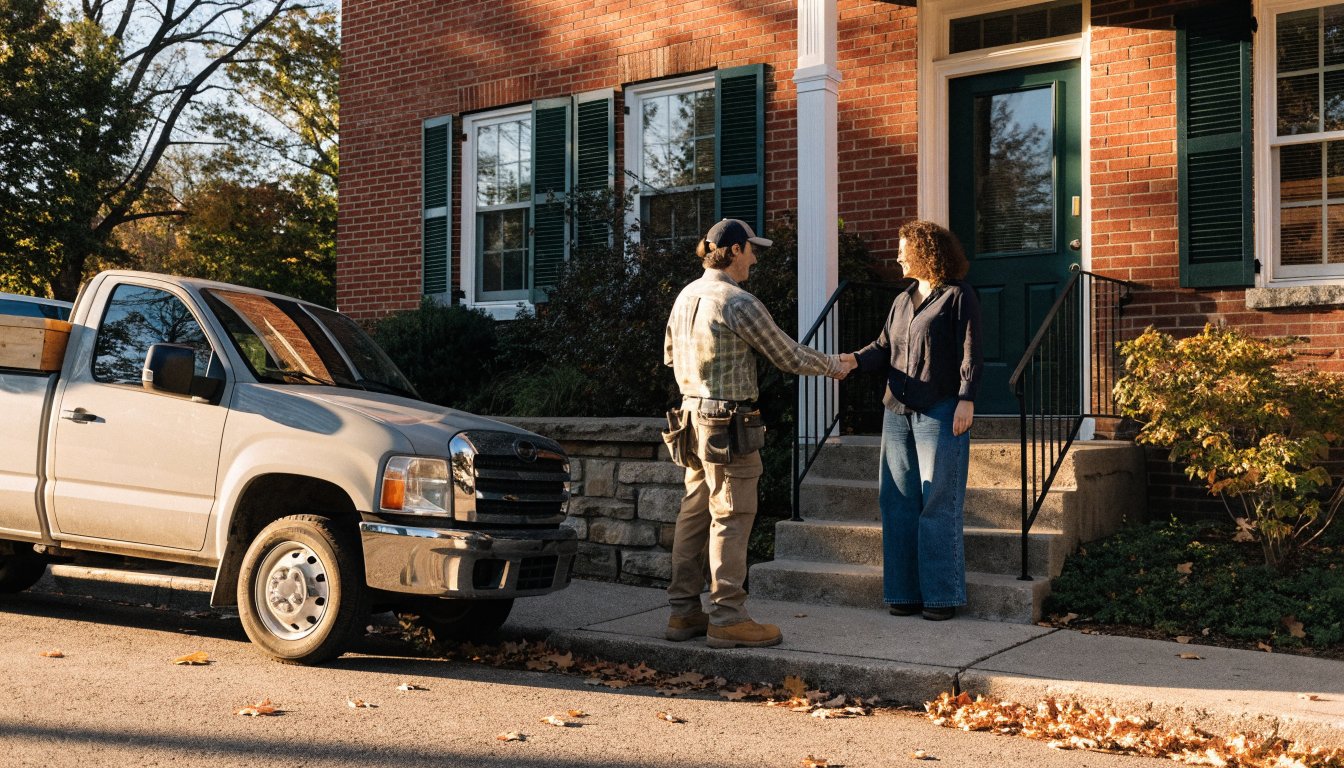
"Are you licensed?" Every homeowner asks it. Most contractors say yes. And a lot of the time, nobody on either side is sure what that answer actually means.
In Ontario, it means more than you think in some places and less than you think in others. Some trades must be licensed by law. Some parts of renovation work have no provincial licence at all. Knowing the difference protects your money, your home and your family.
Here is how licensing actually works for renovation work in Ontario, and how to check a contractor before they touch your house.
Start here. Ontario does not issue one province-wide licence that covers general contractors doing home renovations.
New home builders are different. People who build and sell new homes in Ontario need a licence from the Home Construction Regulatory Authority. But that system is aimed at new construction. A contractor who renovates kitchens, finishes basements or builds additions on existing homes is generally not covered by it.
So when a general contractor says "we're licensed," ask a follow-up. Licensed for what? By whom? It might mean a municipal business licence where one applies. It might mean their electrician is licensed. It might mean nothing at all.
Some municipalities license certain types of contractors. Rules vary and change. Check the City of Ottawa's website for what applies at the time you hire.
Now the important part. Certain work in your home must be done by licensed or certified people. This is not optional. It is the law, and it exists because these systems can burn your house down, flood it or poison the air.
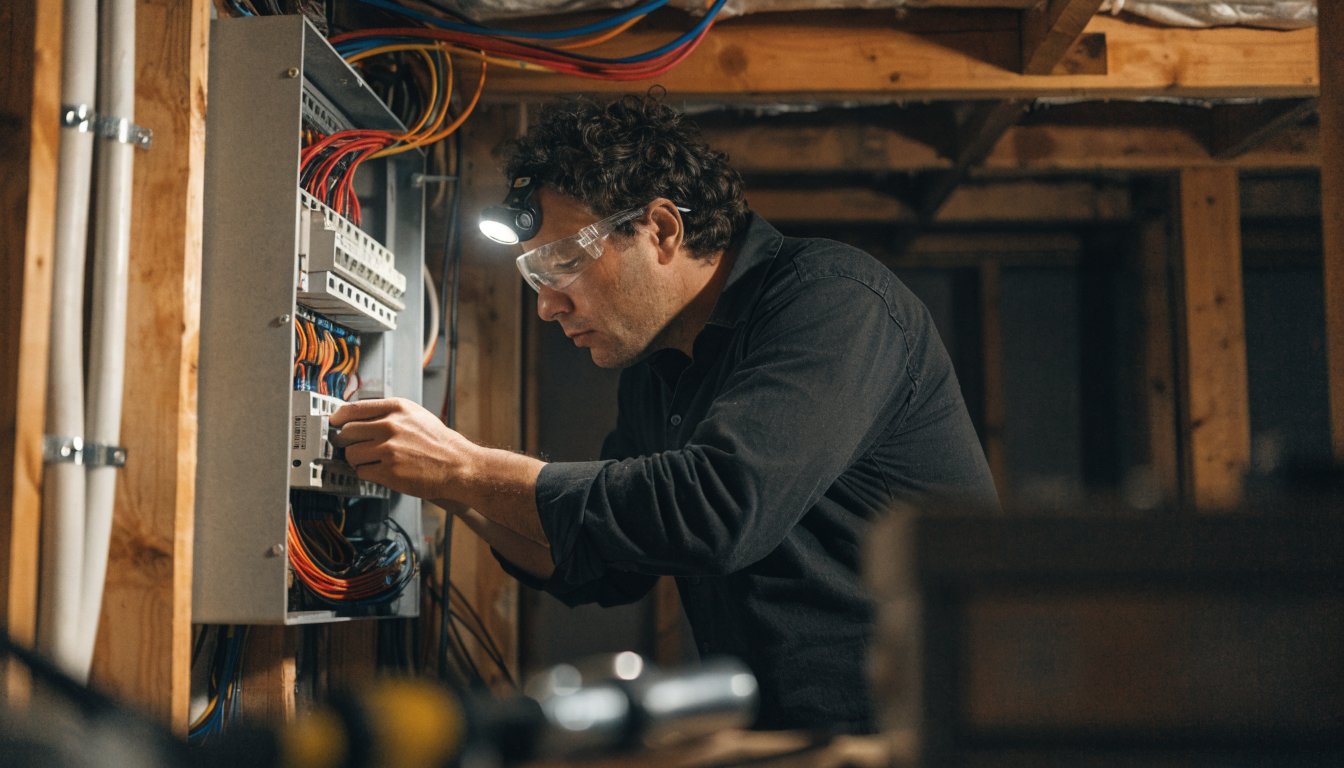
In Ontario, anyone doing electrical work for hire in your home must be a Licensed Electrical Contractor through the Electrical Safety Authority. That contractor files a notification with the ESA, and the work gets inspected.
The people actually doing the wiring also need to be qualified electricians or registered apprentices under supervision. Electrician is a compulsory trade in Ontario.
Homeowners can do some electrical work on their own home with an ESA permit. But a handyman or general contractor wiring your basement without a licence is breaking the rules. The ESA has a lookup tool on its website. Use it.
Plumber is also a compulsory trade in Ontario. The people doing plumbing work for hire need to be certified or registered apprentices. Plumbing changes in a renovation also usually need a City of Ottawa building permit and inspection.
Moving a gas line. Installing a furnace, gas fireplace, water heater or range. That work falls under the Technical Standards and Safety Authority. The company must be a registered fuel contractor, and the person doing the work needs the right gas technician certificate.
This is not where you save money with a buddy who "knows gas." A mistake here is dangerous.
Heating and cooling work that involves gas falls under the rules above. Refrigerant work, like installing a heat pump or central air, also needs certified technicians. Ask to see the certification.

Licences are one piece. A solid contractor in Ontario should also be able to show you these without hesitating.
If a crew damages your home or a neighbour's property, their insurance should cover it. Ask for a certificate of insurance. Look at the dates. Look at the company name. It should match the name on your contract.
Most construction businesses in Ontario that have workers need Workplace Safety and Insurance Board coverage. Ask for a clearance certificate. You can check it on the WSIB website.
Why should you care? If an uncovered worker gets hurt on your property, you do not want to be the one answering questions about who was responsible.
A registered business name. A physical address. An HST number on the invoice. A written contract. These sound basic. Unlicensed operators often have none of them.
People go unlicensed to save money. Sometimes it works out. Often it does not. Here is what we see.
The quote from the unlicensed guy looks cheaper. It is only cheaper until something goes wrong.
This takes about twenty minutes. It is the best twenty minutes of your whole renovation.
A good contractor will not be offended. They get these questions all the time. They will send the paperwork fast because they have it ready.
On most renovations, a general contractor runs the job and brings in licensed trades for electrical, plumbing and gas. That is normal and it works well.
The general contractor coordinates the schedule, manages the site, handles the permit and deals with inspectors. The licensed trades do the regulated work and sign off on it.
What you want is clarity. Your contract should say who does what. It should name who is responsible for each permit and each inspection. If the answer is fuzzy, ask again until it is not.
Picture two neighbours on the same street in Orleans. Same builder. Same year. Both want to finish the basement.
The first hires a general contractor who pulls a building permit, brings in a licensed electrical contractor who files with the ESA, and uses a certified plumber for the new bathroom. The inspector visits at framing, at rough-in and at insulation. It takes a bit longer. It costs a bit more.
The second hires a guy from an online ad. Cash price. No permit. He does the framing, the wiring and the plumbing himself. The job is done fast and it looks nice.
Five years later, both sell.
The first family hands over a closed permit and an ESA record. Their buyer's inspector moves on to the roof.
The second family gets a question from the buyer's lawyer. Was this basement permitted? It was not. The buyer wants a price cut, or wants the work inspected. Inspection means opening walls. Opening walls finds wiring that does not meet code. Now there is an electrician, a drywaller and a painter on the bill, plus a delayed closing.
That cash discount is gone. Then some.
This is not a scare story. It is a pattern. Unpermitted, unlicensed work almost always shows up eventually. The only question is who pays for it and when.
When a general contractor gives you a quote, ask them to fill in a simple list. For each regulated part of the job, get a name and a number.
Keep this list with your contract. If a trade changes during the job, ask for the new name. You have every right to know who is working on your home.
Not every job needs a big contractor. Painting, patching drywall, hanging shelves, swapping a door. A good handyman is perfect for this.
The line gets crossed when the small job touches a regulated system. Moving an outlet. Adding a light. Relocating a sink. Swapping a gas range. That is when you need the licensed trade, even if the rest of the job is simple. A good handyman knows this and tells you. A risky one says "no problem."
A licence is a floor, not a ceiling. It tells you a trade met the minimum bar to do regulated work. It does not tell you whether they show up on time, clean up at night or return your calls.
So licensing is where your checking starts, not where it ends. Pair it with references from recent jobs in Ottawa. Ask those homeowners simple questions. Did they finish when they said? Did the price change, and why? Would you hire them again?
Look at how the contractor communicates before you sign. Fast, clear answers now usually mean fast, clear answers later. Vague answers now rarely get sharper once your kitchen is in pieces.
And look at the quote itself. A detailed, itemized quote tells you the contractor thought through your job. A single number on a napkin tells you they did not.
Unlicensed work does not only affect you. It affects the next owner of your home. It affects your neighbours if a fire spreads. It affects the licensed trades who play by the rules and lose bids to people who do not.
Hiring properly is not about paperwork for its own sake. It is about knowing that the wiring behind your new basement walls was done by someone who is accountable for it.
At SpartaCon Developments, we run renovation projects across Ottawa and work with licensed trades for electrical, plumbing and gas. We handle permits and inspections as part of the job, and we are happy to share insurance and WSIB paperwork before you sign anything.
Ask us the questions on this list. We expect them. Book a consultation to talk about your project.

Ontario does not have one province-wide licence for renovation general contractors. New home builders need a licence from the Home Construction Regulatory Authority. Some municipalities have their own licensing rules, so check with your city.
Yes. Electrical work for hire must be done by a Licensed Electrical Contractor through the Electrical Safety Authority, using qualified electricians. You can look up a contractor's licence on the ESA website.
Ask the contractor for a WSIB clearance certificate. You can also look up clearance status on the WSIB website using the business name or account number.
You risk failed inspections, costly fixes, insurance problems, trouble when you sell and safety hazards. If the work is poor, you may have little recourse if the person has no business address or insurance.
Homeowners can do some electrical work on their own home with an ESA permit and inspection. Anyone you pay to do electrical work must be a Licensed Electrical Contractor.