October 12, 2026

Everyone asks the same thing first. How long will it take? And nobody likes the real answer, which is "it depends." So here's a better one. I'll show you where the weeks actually go when you build an addition in Ottawa, because it's rarely where you'd guess.
Hint: the hammering is the short part.
Most people picture a crew rolling up in April. The clock really starts way before that. You need a design, drawings that satisfy the building code, probably a survey of your lot, and a permit application. Every one of those has a wait attached.
Design moves fast when you know what you want and crawls when the family is still fighting about whether the kitchen swallows the dining room. Drawings depend on who's drawing and how booked they are. Then the City of Ottawa reviews the permit, and that takes what it takes. A tricky zoning question or a missing detail can add a round or two of back and forth.
Ask your contractor what permit turnaround looks like right now. They file these all the time, so they'll have a feel for it. Don't take a promise. Take a range.
Good contractors also book up. Want a spring start? The conversations usually begin the fall before. If you wait for the snow to melt before you pick up the phone, a May project quietly becomes a September one.
If you take one thing from this section, take this: the permit isn't a formality you can rush with a phone call. Plan around it, ask about it early, and keep a few other jobs on your own to-do list (picking finishes, say) so you aren't sitting around refreshing your inbox.
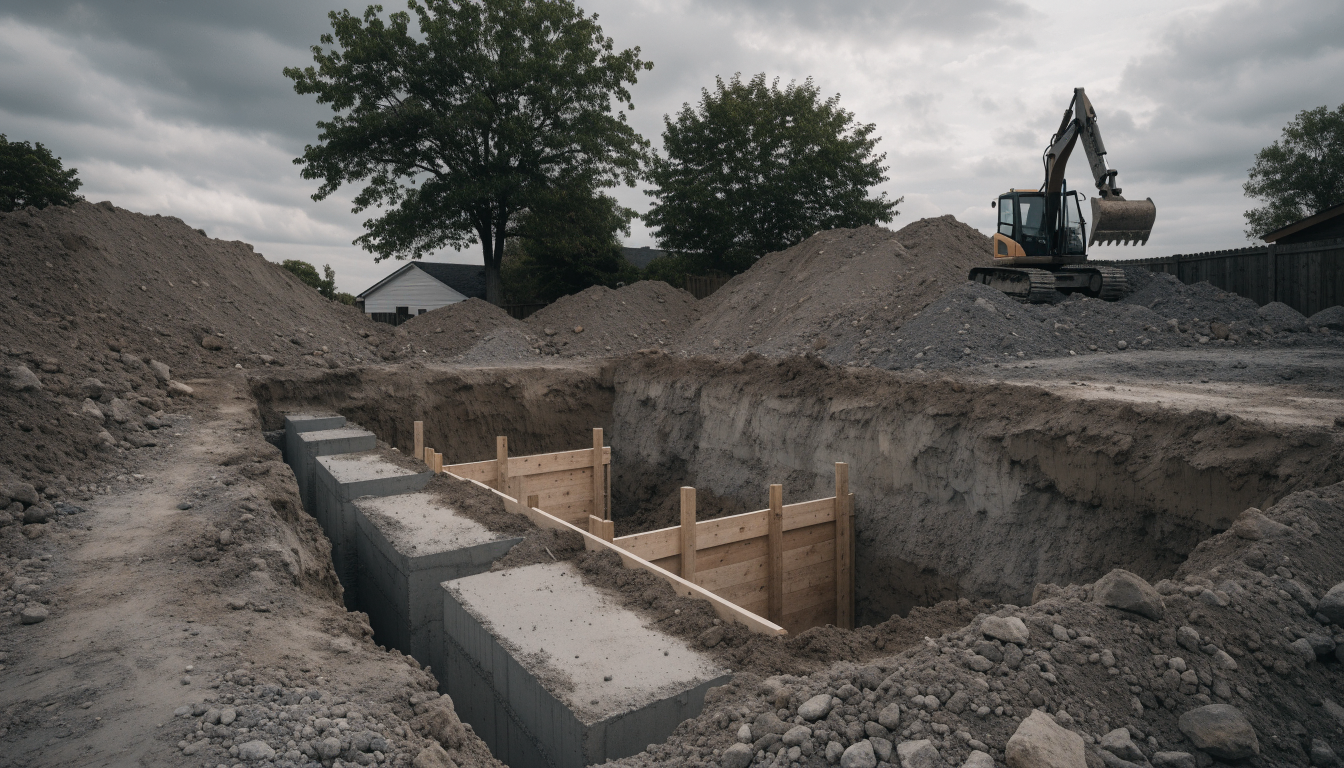
Permit in hand, the ground goes first. Utilities get located, a tree or an old deck might come down, and then excavation starts. Footings, foundation walls, or piles and a slab if that's what the design calls for.
Ottawa soil gets a vote here. Some neighbourhoods sit on Leda clay, soft marine clay that doesn't love heavy loads. Others have bedrock close to the surface, and somebody has to deal with it. Neither is a disaster. Both can stretch the schedule if they catch you off guard, so a soil check up front is cheap insurance.
Concrete has its own rules too. It has to cure, and it doesn't pour happily in deep cold without extra measures. Rain costs a day. A hard frost can cost a week. The foundation is the stage that's most at the mercy of the weather, and you can't talk a cold snap into leaving.
Then there's access. Can the excavator actually reach the back of your lot? Is there a fence to pull, a gas meter to protect, a neighbour's tree root to respect? In tight Ottawa lots, a day can disappear just getting machines into the yard.
Funny thing, framing is the stage everyone remembers, yet it's often the shortest.
Walls go up. The floor system goes in. The roof gets framed and sheathed, and windows and doors arrive. In a week or two a hole in the ground becomes a house-shaped thing, and homeowners get weirdly emotional about it.
Then the pace drops again. A building isn't finished when it has walls. It's finished when it's dry. Roofing, house wrap, siding and window flashing all need to go on properly, because that layer keeps Ottawa's rain, snow and wind out of your new rooms for the next fifty years.
If the addition ties into your existing house, there's another catch. Somebody has to open up an exterior wall, join old framing to new, and keep your family reasonably warm while it's open. Good crews pick a stretch of decent weather for that opening and close it fast.
Next come the guts. Plumbers run pipe, electricians pull wire, and the HVAC crew sets up ducts or a mini-split. It all happens inside the walls. From the street it looks like nothing's going on, and that makes people nervous. Don't let it. Slow is fine here. Wrong is the problem.
An inspector checks the work before drywall hides it. Fail, and the crew fixes it and books another visit. That visit runs on the city's calendar, not your contractor's, which is why good builders leave gaps for it.
A build runs on choices. Each choice has a due date you didn't know existed. Windows get ordered before framing wraps. Cabinets get ordered before drywall goes up. Your plumber needs the fixture specs before the rough-in, not the week after, when the pipes are already buried.
So the schedule isn't really a row of construction steps. It's a row of questions. Which window? Which door? Where does the outlet go behind the couch? You can answer in an afternoon or you can stew for a month, and the job waits either way. Sometimes with a crew standing around on your dime.
Here's a cheap fix. Sit down with your contractor early and ask for a decision calendar. A plain list: what gets picked, and the date it's needed by. Tape it to the fridge. When something slips you'll see right away what it knocks over, and you'll be a lot less surprised when the contractor calls.
It also saves arguments. Couples who agree on the tile in March don't fight about it in July with a tile setter waiting in the driveway.
Insulation and the air barrier go in and get inspected. Then drywall: hang it, tape it, mud it, sand it, repeat. Each coat of mud needs drying time, which is why a room can look nearly done for a week and still not be ready for paint.
After that, the finishing trades show up one after another. Flooring, trim, doors, cabinets, countertops, tile, paint, light fixtures, plumbing fixtures. Each one needs the one before it to wrap up. A single late delivery can leave a crew standing around and your project with a hole in the calendar.

Most delays aren't dramatic. They're small, and they stack up.
Special-order materials, for starters. Custom windows, a particular tile or cabinets built to order can take far longer than stock items. Order early, and order the long-lead pieces first.
Change orders. You walk through the framing and decide the doorway should shift a foot. Great idea. It also touches electrical, maybe plumbing, maybe an inspection. Late changes ripple outward.
Surprises behind old walls. Outdated wiring, hidden rot or an uneven old foundation can turn up when a crew connects new to old. Houses in older parts of Ottawa have plenty of these stories.
Weather, obviously. It doesn't just slow the outdoor work. It slows everything that depends on it.
And availability. Inspectors and trades both get tight in the busy season, and neither is in your contractor's control.
Yes, in both directions.
Summer and early fall are the easy window for foundations and exterior work. Everybody knows it, so contractors book out early. Building in winter isn't impossible. Crews frame and finish interiors through January all the time, often with temporary heat and protective enclosures. But it takes planning, and cold makes concrete, roofing and anything wet more complicated.
Spring has its own headache, the thaw. Soil goes soft, access roads turn to mud and everyone races to start at once.
The best move is to pick your target season and then work backward through design and permit time. If the dates don't line up, ask your contractor which tasks they'd rearrange to keep things moving.
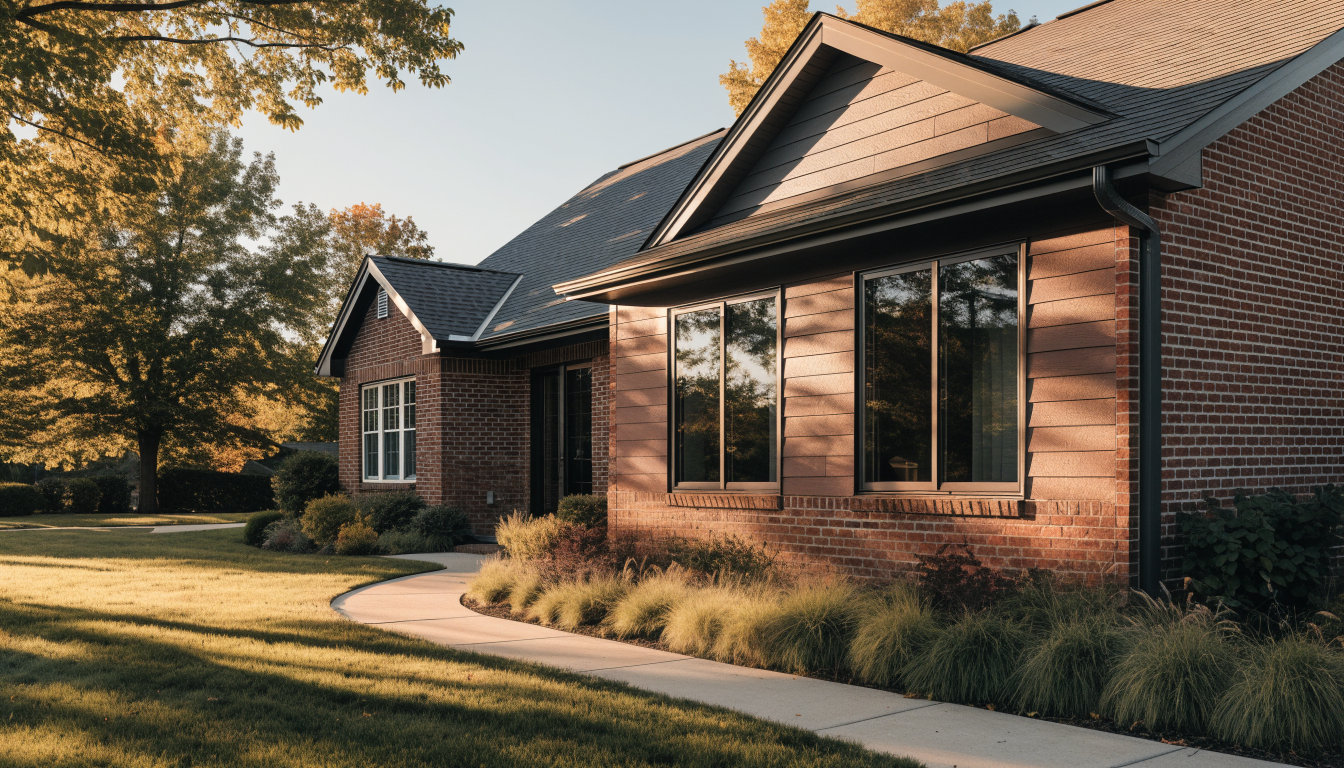
Timelines are one thing. Daily life is another. You'll have workers arriving early, a portable toilet on the lawn, saw dust in the kitchen. Plan for it. Pack away anything fragile near the connection point. Think about where the dog goes. Think about where you work if you work from home.
Ask the crew how they handle cleanup and what hours they keep. Most will tell you straight, and a clear answer on day one beats a surprise on day twenty.
You've got more control than you think.
Decide early. Pick finishes before framing wraps up, not after. Lock in the layout before the drawings are final. Every late decision costs time, and some cost money too.
Ask for a written schedule, and ask how it'll get updated. A short weekly call or email is a good rhythm. You'll catch drift while it's still small.
Answer questions fast. When your contractor asks which tile you want, a reply that takes two weeks costs you two weeks. Sounds obvious. It's the most common slow-down on any job.
Keep some slack in your own life, too. Don't book a family wedding in the new space for the day after the projected finish. Things slip. Give them room.
And ask what could go wrong. A contractor who can name the risks on your specific job has actually thought about your job.
Plan for months, not weeks. Design, drawings and the permit stage come before any digging. Then construction runs through foundation, framing, rough-ins, insulation, drywall and finishes. Your contractor can give you a realistic range once they've seen the site and the plans.
Often the work before construction starts. Design and permits can take longer than people expect. Once building begins, finishes, inspections and special-order materials tend to stretch the schedule.
Yes, with planning. Interior work and framing often continue through the cold months. Concrete and roofing are harder in deep cold and may need extra steps or a pause.
Usually, yes. Expect dust, noise and some disruption, especially when the new space connects to the old. Ask how the crew will protect your living areas and manage the opening in your existing wall.
Decide early, order long-lead items right away, limit late changes and reply quickly to questions. Ask for a written schedule and regular updates so small issues don't turn into big ones.
Nobody can promise you an exact finish date, and anybody who does should make you a little suspicious. What a good contractor can promise is communication. They'll tell you early when something slips, explain why, and show you what it moves. That's the real measure of a schedule. Not whether it never changes, but how fast you hear about it when it does.
Start by deciding when you'd like to be done, then count backward. Design, permit, build. After that, call a contractor early and ask what the calendar really looks like.
SpartaCon Developments builds home additions across Ottawa. If you're planning one, get in touch and we'll talk through your timeline.