July 28, 2026

Your kitchen is the most expensive room you will ever renovate. Pick the wrong contractor and you feel it every day. Pick the right one and you barely remember the stress once the dust clears.

Most homeowners rush this part. They grab a name. They get a quote. They sign. Then the delays start. The budget creeps. The kitchen they pictured turns into a kitchen they tolerate. It does not have to go that way.
Here is how to choose a kitchen remodel contractor in Ottawa without the regret.
Ask one blunt question first. How long have you been doing this?
A contractor with years behind them has already met your problems. The rotten subfloor. The plumbing that was not where the drawings said. The budget that tried to double itself in week two. They have handled all of it, and they know what to do when it shows up again.
Local years matter more than total years. Someone who has worked Ottawa kitchens knows our building codes, our permit desk, and the quirks of a century home in the Glebe versus a new build in Barrhaven. That knowledge saves you money you will never see leave your account, because it is money you never had to spend on a redo.
Ask to see range, not just a highlight reel. Modern galley kitchens downtown. Big open plans out in Kanata. Small budgets and large ones. If the same care shows up across all of it, that tells you more than any single glossy photo.
And watch how they answer. A good contractor folds your ideas into the plan. A bad one talks over you and sells you their template. You want the first one.

Licensing is the line you do not cross. Ever.
A licensed contractor has met the standards. That is your proof they are running a real business, not a truck and a promise. Check their status with local authorities before you go further. In Ottawa you can look up and apply for Building Code Services permits online, so ask who pulls the permit. If the answer is "you do," walk.
Insurance protects your savings. You want two things: liability coverage and worker's compensation. Picture a worker hurt on your property with no coverage behind them. That bill can land on you. So ask for the certificate. Read it. Confirm the limits are real.
One more thing homeowners skip. In Ontario, when you sign a home renovation contract worth more than fifty dollars inside your home, you get a ten day cooling-off period. You can back out. Knowing that pulls you back from a rushed yes.
Then check the affiliations. Membership in a group like the Canadian Home Builders' Association or the Better Business Bureau is not everything, but it is a signal. It says they care about their name.
Three contract types cover most kitchen jobs. Learn them once and you will never feel lost in a proposal again.
The lump sum contract is the simple one. Fixed price, whole project. It works when your vision is clear and your budget is fixed. The catch is change. Decide halfway through that you want the quartz instead of the laminate, and you are renegotiating the number. So talk through change orders up front. Ask how they get priced and approved. That one conversation saves a lot of tension later.
The design-build contract puts design and construction under one roof. One team, first sketch to final reveal. Communication gets simpler because there is nobody to point fingers at. This is the one to lean toward when the plan is still moving and you want it to keep moving without a fight between the designer and the builder.
The construction management contract hands you the wheel. The contractor runs the job, but you stay in the decisions, picking subcontractors and materials as you go. More control, more of your time. Good fit if you have managed projects before and you like being hands-on.
Pick the contract that fits your project, not the one that sounds cheapest. And if the numbers are large, have a lawyer read the terms. Fifteen minutes of legal review beats a month in a dispute.
The finish photos sell you. The working relationship is what you actually live with for six weeks.
So test how they talk to you. Do they listen, or do they wait for their turn? Say you host a lot. A contractor worth hiring hears that and starts sketching a layout that moves people, maybe an open plan that ties the kitchen to where everyone ends up standing anyway. They design around your life, not around their last job.
Then ask about updates. Who calls you when something changes? How often? A contractor who sends a quick note before a problem becomes a delay is worth paying for. One who goes quiet for a week is telling you exactly how the whole project will feel.
And press on the surprises. Material backordered. Wall opens up and the wiring is a mess. Ask how they handle it. You are listening for a calm, specific answer, not a shrug. Calm is a skill. It is also the difference between a remodel and a headache.
A good kitchen budget rests on three honest numbers. What you can spend. What you set aside for surprises. And what actually pays you back.
Start with the amount you are truly comfortable spending, then weigh it against your home's value. A well-done kitchen tends to return a solid chunk of its cost at resale, though the exact figure swings with the market and the neighborhood. Do not treat the remodel as free money. Treat it as a trade you want to come out ahead on.
Then build in a cushion. Surprises are not a maybe. Hidden water damage, old wiring, a subfloor nobody knew was soft. Set aside a contingency, often somewhere around ten to twenty percent of the total, so the first surprise does not stall the whole job. Ask your contractor how they handle the unexpected before they find any. Their answer tells you a lot.
Spend where it earns its keep. Good storage. Durable counters. Efficient appliances and lighting that trims the hydro bill. Those choices make the room work harder every single day, and they read well to a future buyer too. The finishes you splurge on for a photo matter less than the ones you use every morning.
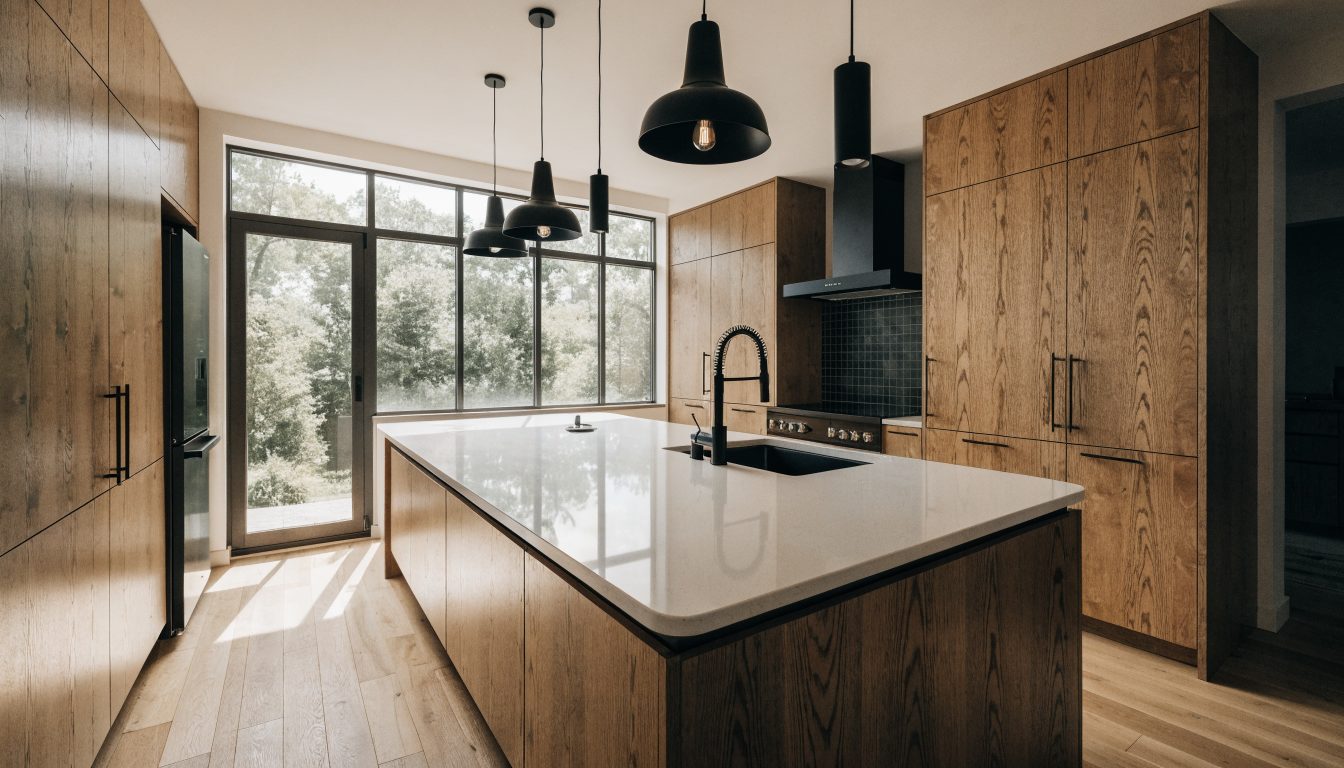
Three channels turn up the good ones. Reviews, referrals, and a walk through real finished work.
Start with reviews, but read them like a detective. On a site like HomeStars, one glowing review means nothing. A pattern means everything. Consistent praise for showing up on time and cleaning up after themselves is a green light. Repeated complaints about silence and missed dates should stop you cold. Read more than one platform. The fuller the picture, the smarter your pick.
Then ask around. Friends, family, the neighbor who just survived their own kitchen. A referral from someone who lived through the job saves you time and hands you peace of mind you cannot buy. Local builders' associations keep lists of vetted names too, so make the call.
Then go see the work. Photos are curated. Standing in a finished kitchen is not. Ask to walk through a recent project, and do not settle for the one showpiece. See a small update and a full gut job. The care should look the same in both. That consistency is the truest read on whether they are good or just good at photography.

A kitchen remodel runs in five stages. Skip one and the budget pays for it.
Planning comes first. You and the contractor set goals, lock the budget, and build a timeline. This is where expectations get lined up on both sides. Get it right and the rest stops feeling like a gamble.
Design makes it specific. Materials, layout, fixtures. Good contractors turn your vague picture into plans and renderings you can actually approve before a tool comes out. Push hard on workflow, lighting, and storage here. Those decisions shape how the room feels every day.
Demolition is where it gets loud. Out come the old cabinets and appliances. You want a crew that protects the rest of your house and keeps the site clean, because messy sites hide mistakes. The mess is temporary. A disciplined crew makes it bearable.
Installation is where it takes shape. Cabinets, counters, appliances, all fitted to the plan while the contractor keeps the electricians and plumbers in sync. Stay reachable through this stretch. Questions get answered fast when the line stays open.
Final touches close it out. Paint, hardware, the small details that make the room yours. Do a slow final walkthrough with your contractor and flag anything that still nags you. This is the moment the kitchen becomes real.
Range and consistency. You want to see different styles, different budgets, and the same level of finish across all of them. A portfolio full of only one type of kitchen tells you they do one thing. A varied one, done well, tells you they can handle yours.
Check three things. Their license status with local authorities, proof of both liability and worker's compensation insurance, and any professional memberships. Ask for the paperwork, not a verbal yes. A real contractor hands it over without flinching.
Nothing good. No contract means no agreed scope, no timeline, and no payment terms in writing. The day something goes sideways, you have nothing to point to. A clear contract protects both of you and gives you a way to settle a disagreement before it turns into a standoff.
Because a remodel is weeks of decisions, and most problems are really communication problems. A contractor who updates you before a delay, answers questions the same day, and sets honest expectations turns a stressful project into a manageable one. Silence is the warning sign.
Expect them and stay flexible. The wall opens and the plumbing is wrong, and that is normal. What matters is how your contractor reacts. Work with them on a fix that keeps things moving instead of grinding to a halt. Steady progress beats finger-pointing every time.
Choosing a contractor for your kitchen remodel in Ottawa is a big decision, and you should not have to make it blind. SpartaCon Developments is an Ottawa home renovation and general contracting team, and we are happy to walk your plans with you before you commit to anyone. Want a straight answer on your kitchen project? Reach out and let's talk it through. Contact us.