August 3, 2026
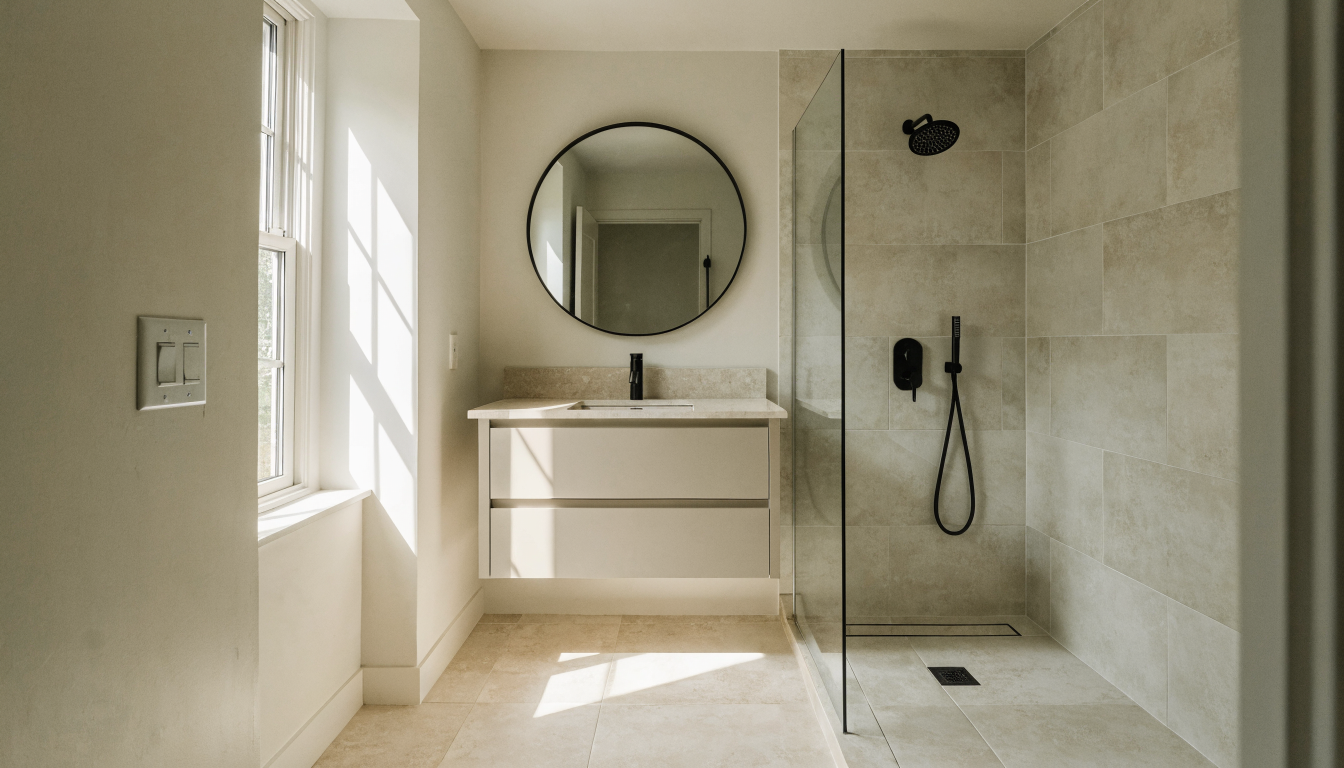
A capital bathroom renovation isn't a regular remodel wearing a fancier name. It's planned around this city. Full stop. Ottawa's climate. Ottawa's permit desk. Inspectors who know exactly what a 1962 bungalow in Alta Vista hides behind its drywall, because they've opened up a dozen just like it. We've walked homeowners through this from Barrhaven to Orleans, and the pattern repeats every single time. Get the boring stuff right first. The tile can wait.

Ottawa isn't Toronto. It's not Montreal either, even an hour from that border. Different permit thresholds. Different inspection windows. A seasonal backlog that gets worse every spring, like clockwork, and nobody warns you about it until you're stuck in it. A plan built for a Calgary bungalow won't transfer onto a stacked townhouse in Kanata. Can't. The plumbing stack sits somewhere else entirely, the joists run a different way, and the inspector on your file has opinions about both.
Most people call wanting to talk tile. I'd rather talk about the plumbing stack first, because whoever built that house decades ago made a decision that's quietly limiting everything you're allowed to do now, whether you like it or not.
"Capital renovation" gets thrown around loosely, by contractors who've never set foot north of the 401 and wouldn't know Alta Vista from Anywhere, Ontario. Here it means one narrow thing. A project scoped for this code, this climate, built by someone pulling permits in this city every single month. Not once a year.
Grab a tape measure before you call anyone. Seriously, do it tonight. Pinterest is full of freestanding tubs under skylights your house will never have. Yours has one window over the tub, a stack vent tucked in some corner, and floor joists running a direction that quietly kills the idea of moving that drain three feet without tearing open the ceiling below. Nobody checked that on the last renovation that blew its budget. We watch it happen constantly.
Write down where the stack sits. Note the window. Slab or wood-framed floor? That single fact changes what a heated floor costs, and whether it's simple or a nightmare. Bring these notes to your first contractor conversation. Saves a full week of back-and-forth email, easy.
And check your electrical panel, because nobody mentions this until it's already a problem. Plenty of older Ottawa homes run bathrooms on circuits older than GFCI requirements ever existed. A renovation is your one clean shot at fixing it instead of handing the problem to whoever buys the house next.

Minus 20 with wind chill isn't weather here. It's Tuesday. That swing between a frozen exterior wall and a shower running full steam builds a condensation problem a bathroom in Victoria never has to think about. Skimp on the vapor barrier, undersize the exhaust fan, and it shows. Fast. Two winters, maybe less, before it's visible in the drywall.
Size the fan to the room you actually have, not whatever rating the old one carried. A unit built for a cramped 40-square-foot bathroom won't touch the humidity in a 70-square-foot one with a walk-in shower. That moisture lands somewhere. Grout first. Drywall behind it next, and you won't see it until the paint starts bubbling off the wall.
Open the wall, look at the insulation while you can. This is the one shot you get without tearing it apart again in five years.
And summer's not off the hook. Ottawa's sticky July stretches push moisture in through the outside air too, not just the shower, so a fan sized only for winter is solving half a problem and calling it finished.

Swap a vanity, retile the same footprint, and you're usually fine without a permit. Move a drain. Add a circuit. Take out a wall. Now you're in permit territory, and the city inspects plumbing and electrical separately, meaning two windows to pass, not one, before drywall goes back up.
Permit timing tracks the season, predictably. Spring and early summer bring the heaviest load of residential permits citywide, and inspection scheduling stretches out right along with it. A project booked for January often clears the queue faster for the simple reason that fewer people are renovating in January.
Skipping the permit feels tempting when you're staring at a six-week wait. Don't. An unpermitted bathroom becomes a disclosure problem the day you sell, and Ontario real estate lawyers check building files as a matter of routine, not suspicion.

Square footage barely moves the number. What actually drives cost is whether you're relocating plumbing, how much tile you want, and the fixture grade you pick, and that last one alone can double a material bill without anyone doing anything unusual. A small bathroom with a moved drain and custom tile can outcost a bigger one that keeps its layout untouched.
Plumbing relocation drives the number more than anything else we scope, with tile labor close behind, priced by the hour and by pattern complexity, never by the square foot of the material itself.
Split your budget into three buckets before you sign anything. Must-have. Nice-if-it-fits. Cut-if-tight. Heated floors sit in bucket two, almost always. A correctly sized exhaust fan belongs in bucket one, no exceptions, because that's the line between a bathroom that lasts fifteen years and one asking for new drywall in five.
Insist on line items, not one number at the bottom of a page. A contractor who won't separate labor from materials from permit fees is asking you to trust a box you can't see inside.
Porcelain outperforms natural stone in most Ottawa bathrooms, plain and simple, because it's less porous and shrugs off freeze-related damage near exterior walls better. Stone still earns a place in the right project. Just know it needs sealing on a schedule you'll genuinely keep, or the showroom sample stops matching reality fast.
Faucet valves matter more here too. Cheap cartridges fail faster once they're cycling through bigger swings in supply-line temperature. Put the extra money into the valve body, even if you claw it back on the tile.
Grout is the small decision nobody thinks about until it fails. Epoxy costs more going in, and it resists the moisture cycling that plain cement grout can't handle through a full Ottawa winter. Ask which one is in your quote by default. A lot of quotes default to the cheaper option unless someone asks.
Buyers here ask about permits, and their agents ask harder. That's not paranoia. It's routine due diligence in a city where building files are searchable and lawyers pull them before closing. A bathroom with a clean permit history and passed inspections reads as an asset on the listing. One without it reads as a question mark that either kills the deal or drags the price down at the table.
Neutral, durable finishes tend to sell better than trend pieces. That striking accent wall might photograph beautifully for you. A buyer's first instinct is usually to price in the cost of ripping it out. Weigh what you want to live with against what the next owner won't want to touch.
A cosmetic refresh with no permit involved can wrap inside two weeks. A full renovation with a moved drain, new wiring, and custom tile takes longer, and permit inspection windows stack right on top of the labor schedule. Custom vanities and imported tile can add weeks entirely on their own, sometimes more than the install itself.
Order fixtures and tile before demo day, not after. This single habit prevents more schedule slippage than everything else on this list combined.
Ask for proof of WSIB coverage and liability insurance before anyone touches your bathroom. Ask who pulls the permit, you or them, because a contractor dodging that question under their own name is telling you something important without saying it out loud. Ask for two references from the past year, and call them. Actually call them.
We pull the permit ourselves on every Ottawa job that needs one. Not a favor. Just the way the job gets done correctly on the first pass, instead of the third. A homeowner shouldn't need to become a part-time permit clerk to get a bathroom rebuilt properly.
Get scope, materials, timeline, and payment schedule in writing, tied to milestones, not calendar dates. A contract vague on any one of those is a red flag no matter how good the portfolio photos look.
Picking finishes before confirming the layout is possible. Assuming the old fan rating still applies. Skipping the permit conversation because a neighbor "never bothered" and it worked out fine for them, until it didn't, three years later, at closing. These mistakes rarely show up in month one. They show up in month twenty-four, in the drywall, or in month thirty-six, at the lawyer's desk during a sale.
Ask early. Ask specific questions. A contractor who answers in specifics, not generalities, is the one who's actually done this before in this city, not just somewhere.
Bring a notepad to your first walkthrough. Write down every answer, not just the ones that sound good. You'll want them later, especially if two contractors gave you different answers to the exact same question. It happens more than you'd think, and the notepad settles the argument.
Yes, if the work moves plumbing, adds electrical circuits, or changes structure. Cosmetic updates to an existing layout usually skip the permit requirement.
It depends mostly on whether plumbing moves, the tile scope, and fixture quality, far more than on square footage. Ask for itemized quotes to compare fairly.
A cosmetic refresh can wrap in under two weeks. A full renovation with permits and custom materials usually runs 3 to 6 weeks.
An exhaust fan sized to the room's actual square footage, plus a proper vapor barrier on exterior walls to handle winter condensation swings.
Porcelain generally holds up better in Ottawa's climate thanks to lower porosity. Stone works too, but needs regular sealing to resist freeze damage.
A bathroom done right survives fifteen Ottawa winters without a callback. Talk to our renovation team about your space, your timeline, and what's actually behind your walls before you fall for a single tile sample.